

IMWBN Committee
-
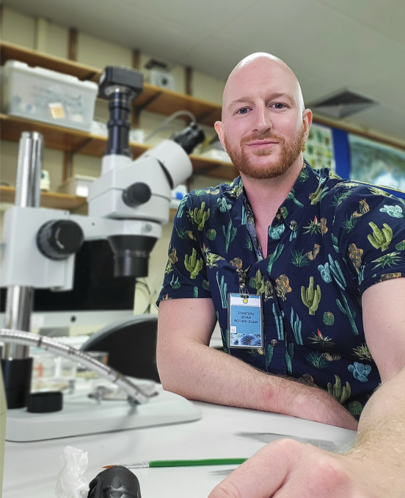
Dr. J. Reuben Shipway
IMWBN Chair
Dr J. Reuben Shipway is the CEO and Founder of Naked Clam Limited, a pioneering aquaculture company that is developing the world’s first farming system for shipworms. Rebranded ‘naked clams’ for marketability and palatability in the seafood sector, shipworms are some of the fastest growing shellfish known and can sustainably convert waste wood into nutrient rich protein. With partnerships across academia and industry, Naked Clam Limited is advancing sustainable, scalable solutions to global food security challenges.
Prior to leading Naked Clam Limited, Shipway served as General Director for Partnerships at SHAMS – The General Organization for the Conservation of Coral Reefs and Turtles in the Red Sea – where he led initiatives to conserve iconic Red Sea ecosystems in line with Saudi Arabia’s Vision 2030. He is also a National Geographic Explorer and serves as an Editorial Board Member for the Royal Society’s Biology Letters.
Shipway was previously a Lecturer in Marine Biology at the University of Plymouth (UK), where his research focussed on the biology, biodiversity, ecology, physiology and taxonomy of wood-eating marine invertebrates. This included describing several new taxa, such as the rock-eating shipworm, Lithoredo, to advancing our understanding of how shipworms eat wood.
His work has been widely featured in international press, including the BBC, NYT, WaPo, etc., bringing cutting edge marine science to global audiences. -
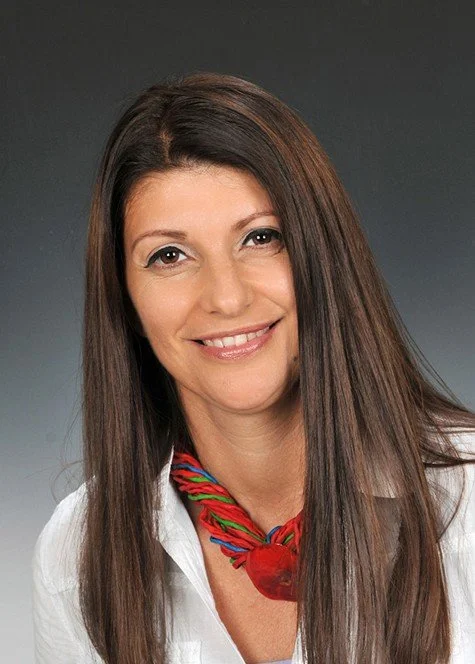
Dr. Luísa M S Borges
IMWBN Deputy Chair
Dr Luísa M S Borges founded L3 Scientific Solutions in 2015, establishing a platform that promotes research collaboration, offers mentoring, and provides tailored workshops to support the next generation of scientists. Through L3, Borges has contributed to projects such as Meta-Mine – investigating the microbiome of marine xylotrophic bivalves (Teredinidae) to identify new lignocellulose-depolymerizing enzymes – and the Japanese Tsunami Marine Debris program, which documented shipworm diversity in wood originating from the Tohoku earthquake and tsunami. She has authored more than thirty peer-reviewed articles covering areas from biogeography to bioinformatics, reviewed articles for over twenty journals, and serves on the editorial boards of PLOS ONE and the International Journal of Genomics.
In 2012, Borges moved to Geesthacht, Germany, joining the Helmholtz Zentrum Geesthacht (now Helmholtz Zentrum Hereon) as a Guest Scientist. While raising a young family, she worked part-time on the Benthic Estuarine Barcode (BEstBarcode) project, led by the University of Minho, which developed massively parallel sequencing tools to monitor estuarine macrobenthic communities. During this time, she also began collaborating with US colleagues on the Japanese Tsunami Marine Debris initiative.
Previously, in 2009, Borges moved to Braga, Portugal, to contribute to the Lusitanian Marine Barcode of Life (LusoMarBol) project. There, she used DNA barcoding to study macrobenthic diversity along the Portuguese coast – including bivalves, gastropods, amphipods, and polychaetes – and applied mitochondrial and nuclear markers to investigate the phylogeny and phylogeography of teredinids. This work led to the discovery and description of a new cryptic species within the Lyrodus pedicellatus complex and to the development of FastaChar, a software program designed to describe cryptic species.
-
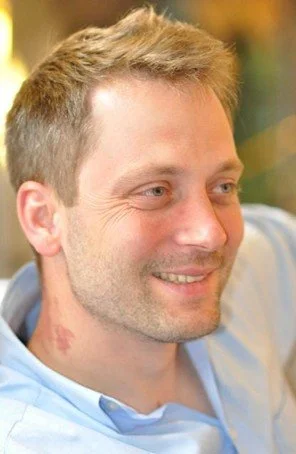
Prof. Dr. Christian Brischke
Subject Area Lead – Wood Science
Prof Dr Christian Brischke is a senior researcher at the Thünen-Institute of Wood Research in Hamburg, Germany. He leads the 'Wood quality and protection' team and is an expert on the biological durability of wood and wood-based materials. Brischke holds a doctorate in natural sciences, has completed his habilitation, and possesses the venia legendi in wood technology. Since 2021, he is an adjunct professor at the University of Göttingen, Germany.
Brischke's research focus is the service life planning of timber structures. He developed moisture and decay models for wood and service life prediction tools for wooden structures exposed outdoors. Besides wood-destroying fungi, his interest also extends to other wood-destroying organisms, including marine borers. For more than 20 years, Brischke has been conducting field studies and durability tests against marine borers, in which he tested different wood species, treatment and wood modification technologies. Just recently, he initiated field trials at a new test site in Bremerhaven, Germany, in collaboration with the Thünen Institute of Sea Fisheries.
Brischke authored more than 160 peer-reviewed articles covering areas from wood durability, wood deterioration, mycology, wood science and engineering, wood quality and wood protection. He serves on the editorial boards of Wood Material Science and Engineering, International Wood Products Journal, Les-Wood, Discover Forests, and Drvna Industrija / Wood industry. Brischke is heavily involved in European standardisation and member of several working groups within CEN/TC 38 ‘Biological durability of wood and wood-based products’.
-
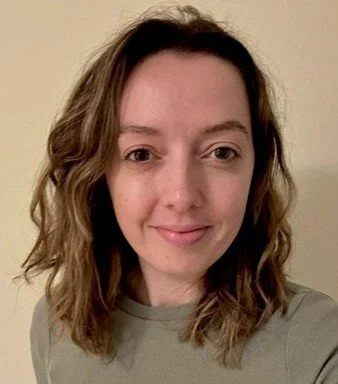
Dr. Lucy Martin
Subject Area Lead – Wood Durability & Testing
Dr Lucy Martin is an expert in the biological degradation, durability and testing of wood in terrestrial and, particularly, marine environments. Martin is currently based at the Institute of Wood Technology and Sustainable Materials at the Universität für Bodenkultur (BOKU), Vienna. Prior to this, she worked as a postdoctoral research assistant at the Department of Wood Biology and Wood Products, University of Göttingen, where she performed wood product durability assessments against basidiomycete, mould, and stain fungi.
During her PhD at the Institute of Marine Sciences, University of Portsmouth, Martin investigated the effects of chemically modified wood on settlement, feeding, and behaviour of marine wood borers, including limnoriids and teredinids. She helped to refine the Limnoria rapid laboratory testing protocol and is a member of the international task group contributing to the development of this protocol into a technical specification for the European Committee for Standardisation (CEN/TS), and of the marine testing standard, EN275. She has also participated in standardisation initiatives for beetle and termite testing.
Martin maintains strong links with EN275 testing sites across Europe and collaborates internationally with wood product developers and researchers. While recently transitioning to a more wood durability focus, Martin’s background is in marine biology and combining the two perspectives gives her a unique overview of both fundamental and practical research goals. She most recently achieved a Marie Skłodowska-Curie Actions Seal of Excellence award for her project application ‘Protection of Timber in the Marine Environment (ProTIME)’ and hopes to resume this research in the future.goes here
-
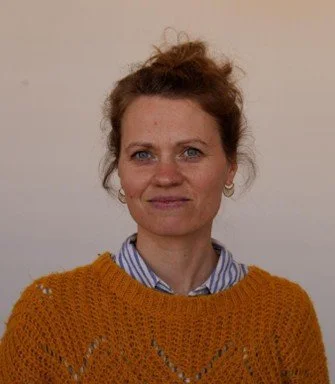
Dr. Anne Marie Høier Eriksen
Subject Area Lead – Marine Archaeology
Dr Anne Marie Høier Eriksen is a senior researcher at the National Museum of Denmark working at the intersection of conservation science, environmental archaeology, and biomolecular research. Her work focuses on the preservation and degradation of archaeological materials across diverse environments, with particular expertise in waterlogged wood, shipwrecks, and submerged cultural heritage. She combines molecular techniques, microbial analysis, and in situ environmental monitoring to understand how biological and chemical processes affect the long-term survival of archaeological materials in marine settings.
Eriksen’s engagement with marine wood borers began in 2010 when she started her Master’s dissertation under Prof. David Gregory at the National Museum of Denmark, investigating the deterioration of waterlogged archaeological wood by shipworms. As part of this work, she qualified as a commercial scientific diver to enable direct underwater study of shipworm-affected archaeological sites — an approach that continues to shape her field-based research today. Since then, she has contributed to major international projects on underwater heritage preservation, including the EU-funded SASMAP and ERC-funded ENDURE projects, and currently leads research on real-time degradation processes affecting shipwrecks in different marine environments as part of the newly established Centre for Maritime and Underwater Cultural Heritage (Njord).
Alongside her field and laboratory research, she publishes widely on biomolecular preservation, microbial degradation, and marine archaeological conservation, contributes to international collaborations across Europe and North America, and is also involved in teaching and supervises students in conservation science and marine archaeology. Through her research, she works to strengthen interdisciplinary approaches to protecting underwater cultural heritage threatened by marine biological activity.
-
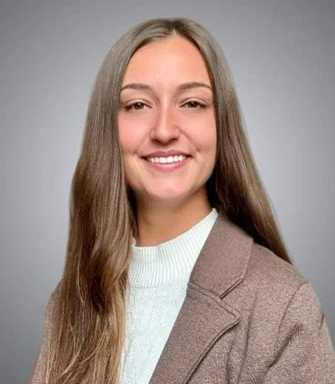
Marianna Fleming
Subject Area Lead – Waterfront Structural Engineering
Marianna Fleming, PE, ADCI, is a waterfront structural engineer and commercial diver with 7 years of experience. Marianna has a background in inspection, analysis, and design of waterfront structures of all kinds including port facilities. She regularly observes the effect that marine borers have on timber infrastructure both visually and with advanced inspection techniques. Her career has centred around New York Harbor, USA.
-
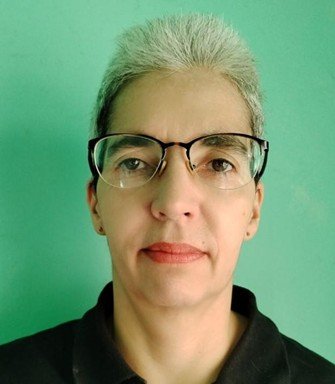
Dr. Claudia Inés Serrano Brañas
Subject Area Lead – Palaeontology
Dr. Claudia Inés Serrano Brañas is a Mexican palaeontologist specialising in the taxonomy, taphonomy, paleoecology and ichnology of Mesozoic fossil faunas. She holds a Ph.D. and an M.Sc. in Geological and Biological Sciences from the Institute of Geology and the Faculty of Sciences at the National Autonomous University of Mexico (UNAM). Her academic training has focused on understanding the complex interactions between ancient organisms and their environments.
With a highly interdisciplinary research approach, Dr. Serrano Brañas has established herself as a leading expert in the Late Cretaceous dinosaur faunas of Mexico. As well, her extensive work focuses on the biological and geological processes that govern vertebrate and invertebrate preservation, providing critical insights into the paleoecology and paleoenvironmental reconstructions of terrestrial, transitional and marine ecosystems.
Parallel to her work with vertebrates, she is a pioneer in the study of marine wood-boring organisms in Mexico. Her seminal research on trace fossils in log-grounds from the Cerro del Pueblo Formation in Coahuila and her international collaborations on teredinid bivalve bored log-grounds in Cuba have been instrumental in characterising wood-substrate interactions in the Tethyan realm. This dual expertise in vertebrate palaeontology and invertebrate ichnology allows for a holistic and sophisticated reconstruction of deep-time ecosystems.
Dr. Serrano Brañas has authored 30 peer-reviewed articles and two book chapters, currently serving as a Professor of Paleobiology and Dinosaur Paleobiology at UNAM. Furthermore, she is a Research Associate at the Museo de Paleontología de la BENC and the Smithsonian National Museum of Natural History (NMNH) in Washington, D.C.
-
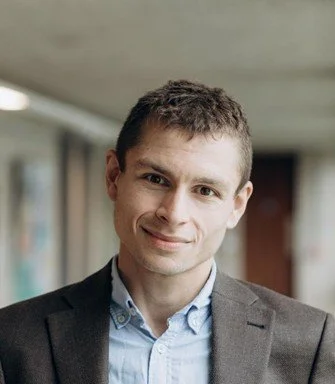
Dr. David F. Willer
Subject Area Lead – Aquaculture
Dr David F. Willer is a Research Fellow, College Teaching Officer in Natural Sciences, and Praelector at Murray Edwards College, University of Cambridge, where he leads an interdisciplinary research team focused on innovation in underexploited, high-potential seafood sectors to advance human health, environmental sustainability, and evidence-based policy. A central strand of his work is the development of breakthrough aquaculture production systems that can deliver nutrient-dense “blue foods” with low environmental footprints, alongside mechanisms to accelerate adoption through product development, market levers, and policy design.
As Subject Area Lead – Aquaculture for the International Marine Wood-Borer Network (IMWBN), David helps shape the Network’s agenda at the interface of wood-borer biology, symbiosis, biotechnology, and food systems, supporting IMWBN’s mission to connect a globally distributed community, share protocols and datasets, and catalyse collaborative, translational research. His own programme has helped advance the cultivation of teredinid bivalves (“shipworms”) across life stages in controlled systems, including work on settlement, growth, and nutrition, and the first nutritional profiling of several species — positioning marine wood-borers as a credible, scalable route to circular-economy aquaculture that can valorise lignocellulosic waste streams.
David also consults with major food-sector partners to drive practical sustainability gains and is the co-founder of Naked Clam Ltd. See https://www.linkedin.com/in/david-willer/
-
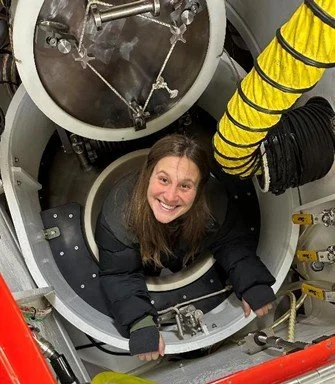
Dr. Olívia S. Pereira
Subject Area Lead – Deep Sea Ecology
Dr. Olívia S. Pereira is a deep-sea oceanographer and ecologist committed to advancing deep-sea conservation and bridging the gap between science and society. She has studied deep-sea ecosystems since her first year in college, with a research focus on chemosynthetic ecosystems such as organic falls and methane seeps. Her work examines the ecology, connectivity, and environmental drivers of benthic biodiversity in a rapidly changing ocean.
Olívia is currently a Postdoctoral Fellow at the Monterey Bay Aquarium Research Institute (USA). There, she investigates how environmental drivers shape organic-fall invertebrate communities and how organic-fall specialists, particularly wood-boring xylophagid bivalves, respond to projected climate change conditions. Her research integrates both in situ deep-sea experiments and controlled ex situ approaches to better understand species resilience and ecosystem functioning.
Originally from Brazil, Olívia earned her BSc in Oceanography from the University of São Paulo, where her undergraduate thesis described invertebrate communities associated with experimentally deployed wood blocks and whale bones in the deep Southwest Atlantic. She later moved to the USA to pursue her MS and PhD at Scripps Institution of Oceanography at the University of California, San Diego. For her graduate research, she shifted her focus within chemosynthetic ecosystems to investigate community dynamics and structure of benthic invertebrates at methane seeps.
Beyond research, Olívia is a passionate advocate for science. Through her Instagram platform @seathescience, she shares discoveries from the deep-sea science world, highlights her own research, and offers an authentic glimpse into life as a scientist, bringing the deep sea closer to people.
-
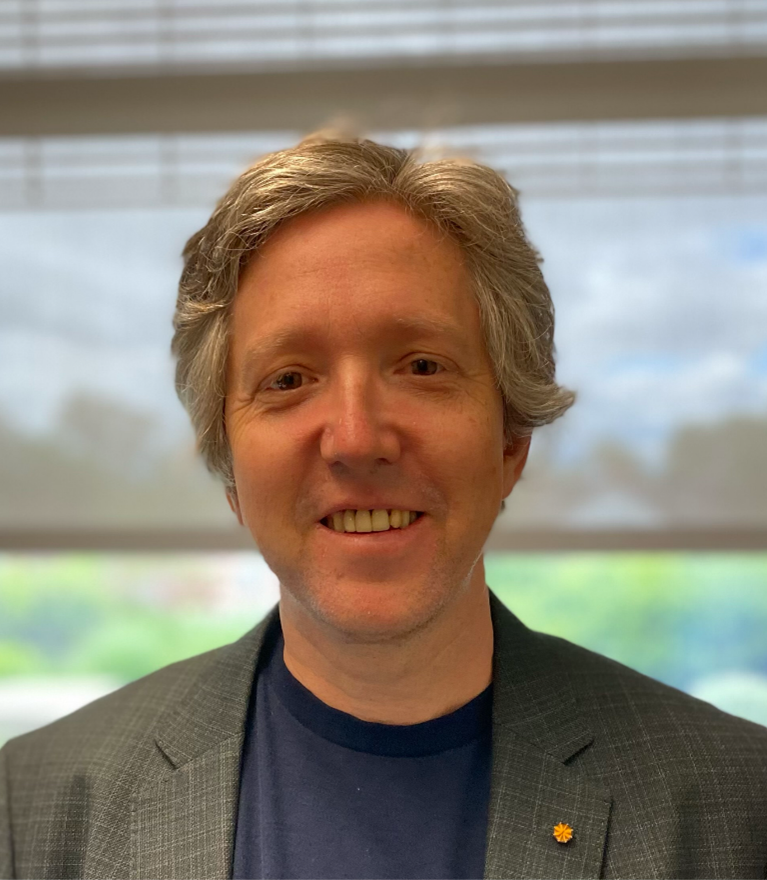
Dr. Eric W. Schmidt
Subject Area Lead – Chemistry of Symbiosis
Dr. Eric Schmidt is a Distinguished Professor of Medicinal Chemistry at the University of Utah. His research examines how animals and their microbial partners construct and deploy chemically complex small molecules as part of normal biological function. With a long‑standing focus on marine symbioses, his work integrates chemistry with genomics and enzymology to address challenging problems in medicine and biotechnology.
Among the many symbiotic systems studied by his group, shipworms and their bacterial partners have emerged as premier models for understanding chemically mediated symbiosis. Working closely with leaders in shipworm biology, Dr. Schmidt has helped define the biosynthetic pathways and functional chemistry that underpin this association, including the discovery of therapeutically relevant molecules produced by cultivable symbionts.
More broadly, his research explores how chemical capacity is distributed across genomes, symbioses, and organisms, including unexpected ways in which animals themselves contribute to metabolic innovation. These insights are applied to problems in synthetic biology and drug discovery, from enabling systematic modification of chemical scaffolds to identifying antibiotics and neuroactive compounds that shape biological interactions. Collectively, this work connects genome evolution, ecology, and physiology with chemically grounded approaches to human health.
Dr. Schmidt received his Ph.D. in Oceanography from the Scripps Institution of Oceanography at the University of California San Diego and completed a postdoctoral fellowship in the Department of Chemistry at The Johns Hopkins University.
-
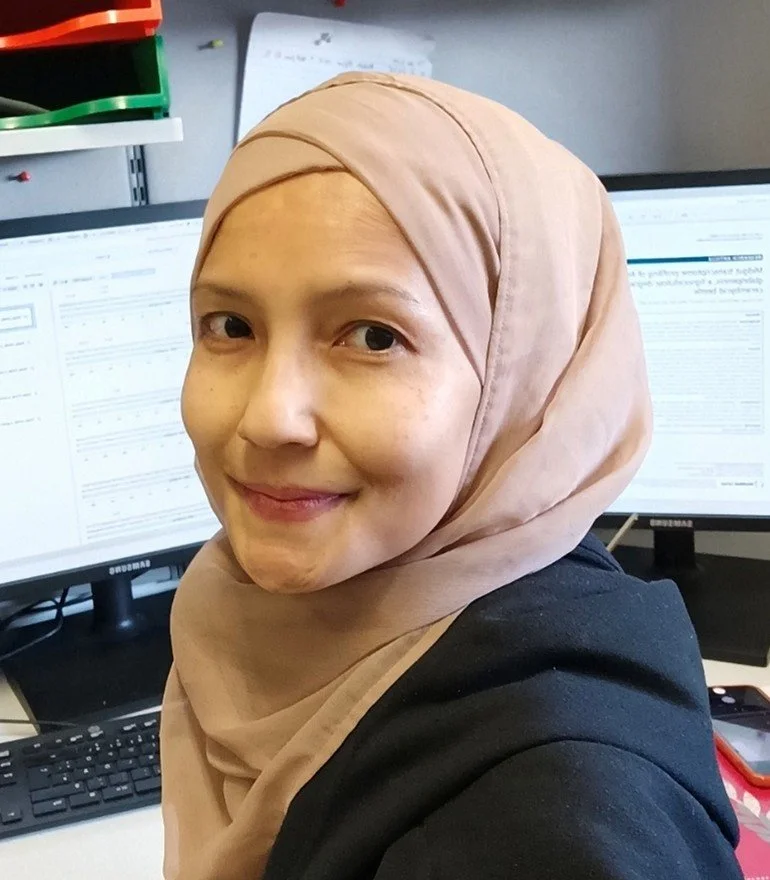
Dr. Dhilia U. Lamasudin
Subject Area Lead – Biotechnology
Dr Dhilia U. Lamasudin is a researcher and Associate Professor at Universiti Putra Malaysia (UPM), in the Department of Cell and Molecular Biology, Faculty of Biotechnology and Biomolecular Sciences. She obtained her PhD from the University of Glasgow, United Kingdom, in 2012.
Upon her return to UPM, her research focused on proteomics, particularly in the areas of fungal infections in oil palm and meat product authentication. Driven by her curiosity about the biology of mangrove organisms, she shifted her research focus and began studying shipworms in 2018. Her early work on shipworms involved studies of bioactive proteins and peptides derived from shipworms with anticancer, antioxidant, and antimicrobial properties.
After receiving research funding, she further developed her interest in the potential biotechnological applications of shipworms, exploring novel lignocellulosic enzymes from the transcriptomes of Bactronophorus thoracites. She was awarded a grant from Ernst Mach-ASEA Uninet to conduct research at BOKU, Vienna, Austria, focusing on the functional characterisation of cellulase enzymes in B. thoracites.
With her background in molecular biology and proteomics, she aims to further explore biotechnological applications, particularly enzymes from B. thoracites and other shipworm species endemic to Malaysia. She also aspires to translate her research into innovations that contribute to green technology development in Malaysia.
-
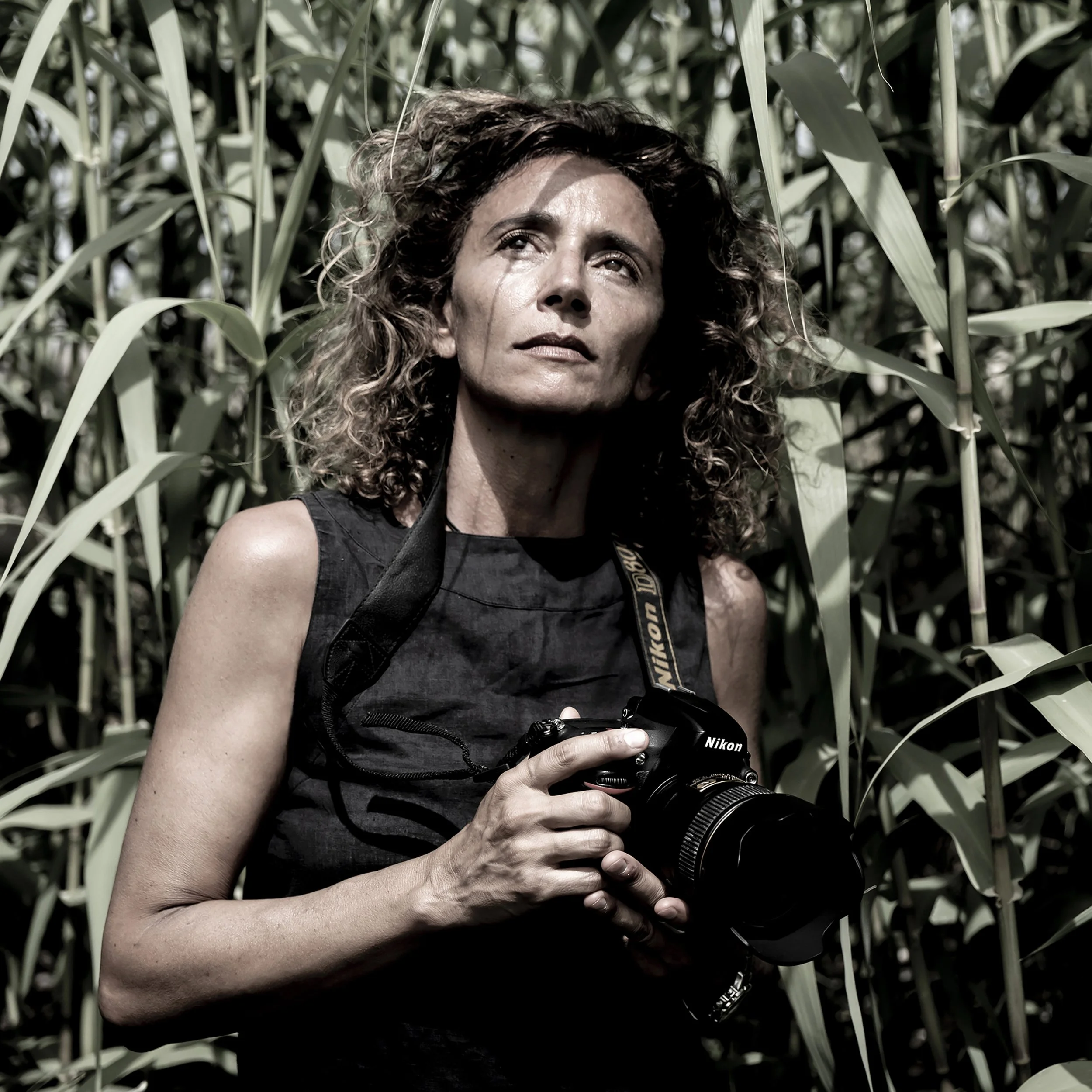
Elisabetta Zavoli
Subject Area Lead – Photography & Storytelling
Elisabetta Zavoli is an Italian documentary photographer who believes in a solution journalism approach to showcase the power of local stories to inspire a global audience. In 2009, her love for the natural world led her to environmental journalism, reporting on the effects of climate change on coastal communities, how Global North markets drive deforestation in emerging economies, mercury pollution, and waste mismanagement.
From 2012 until 2018, Zavoli was based in Indonesia, where she focused extensively on ocean issues. Her empathy, respect and openness to understand other points of view help her connect and work with diverse communities. Over her 15-year visual storytelling career, Zavoli produced and accomplished significant and widely disseminated environmental photo projects that contributed to increased global awareness and positively impacted local communities.
She is a recipient of several grants, including those from the National Geographic Society, the European Journalism Centre and Earth Journalism Network. She has been a National Geographic Explorer since 2022. She earned her Master of Science in environmental sciences from the University of Bologna.